Bride’s side
This is traditionally the bride’s ceremony. Her maternal uncles present and place the choora, while close relatives help with the kaleere, gaana, blessings, and songs.
Day 3
ਚੂੜਾ
Red and white wedding bangles placed by the maternal uncle.
An intimate morning ceremony. The bride’s mama (maternal uncle) places the choora, 21 red and white bangles, onto her wrists, then attaches the kaleere (hanging gold ornaments). The bride covers her hands and doesn’t see the choora until the wedding ceremony itself. Before the mama slides the bangles on, the choora is passed around so every relative present touches it and adds a blessing, then it is dipped in a milk-and-water (or lassi) mixture. The kaleere are traditionally tied by the bride’s friends, and at the end milk is offered to the uncles and aunts to drink.
Read the full guide: the Choora ceremonyA little history
The choora is traditionally worn for 40 days after the wedding (or up to a year). 21 bangles is the customary count: 11 on one arm and 10 on the other. Kaleere were originally functional. The bride would shake them over unmarried girls, and whichever fragment fell on someone meant they’d be married next.
Who attends
Closest family only: bride’s parents, mama-mami, siblings, grandparents.
Typical guests
15–40 people
Family roles
The religious meaning stays the same, but household roles can differ. Use this as a conversation starter, not a rigid rulebook.
Bride’s side
This is traditionally the bride’s ceremony. Her maternal uncles present and place the choora, while close relatives help with the kaleere, gaana, blessings, and songs.
The groom’s family usually has no direct ritual role and often does not attend. Their parallel getting-ready tradition is Sehra Bandi and Ghodi Chadhi.
Plan together: Keep the Choora intimate unless both families explicitly want otherwise. The couple normally reunites later for the wedding-day ceremonies.
What to plan
Samaan checklist
Avoid these mistakes
Real wedding inspiration
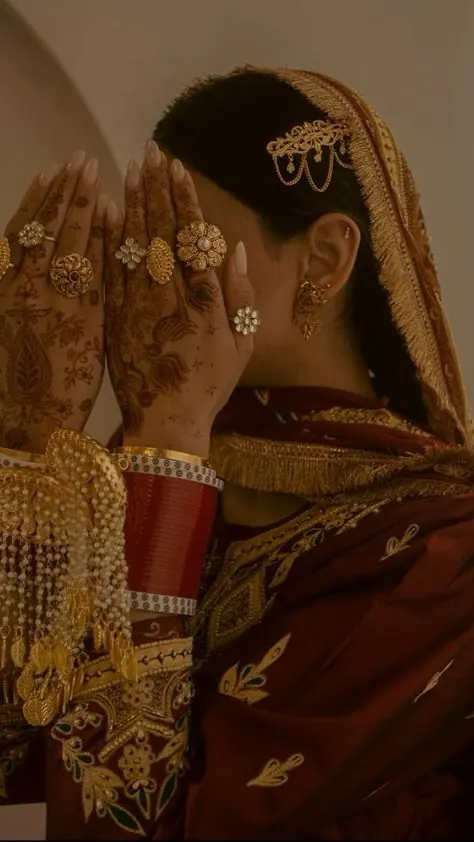
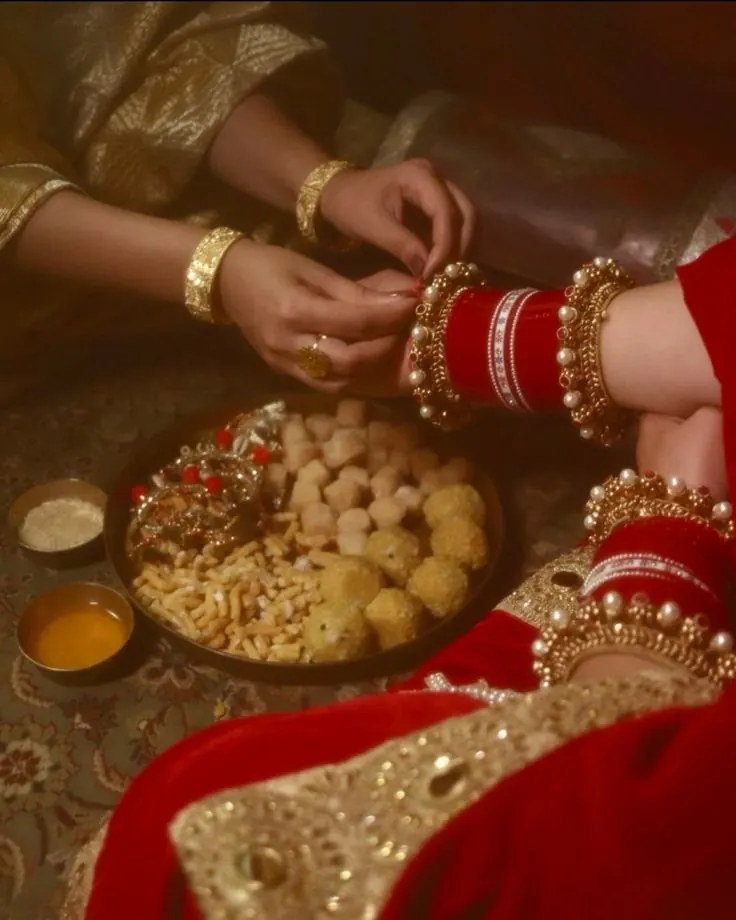
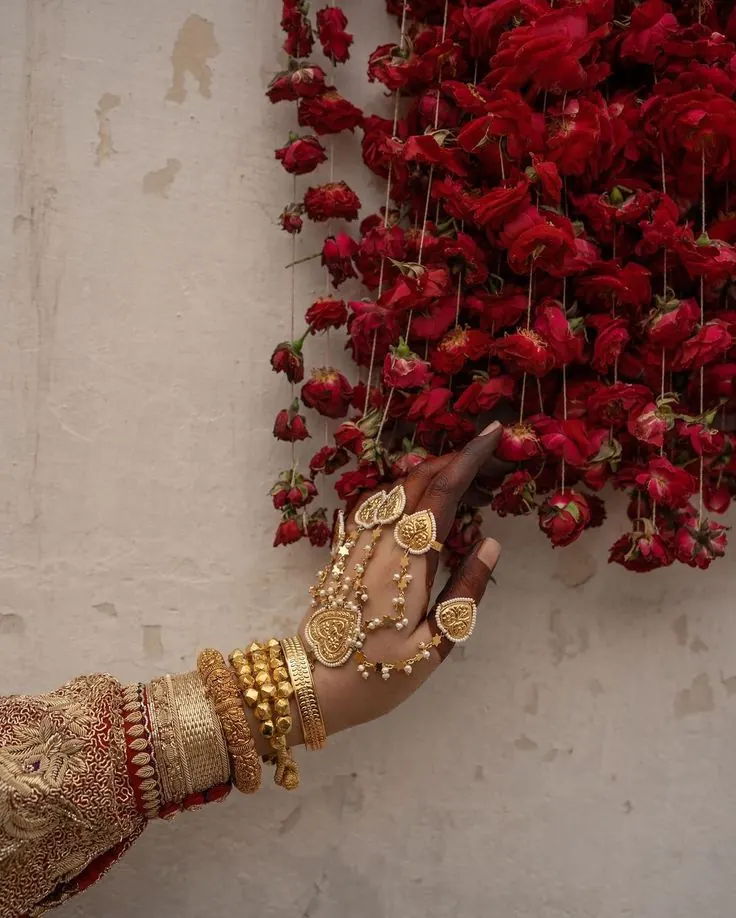
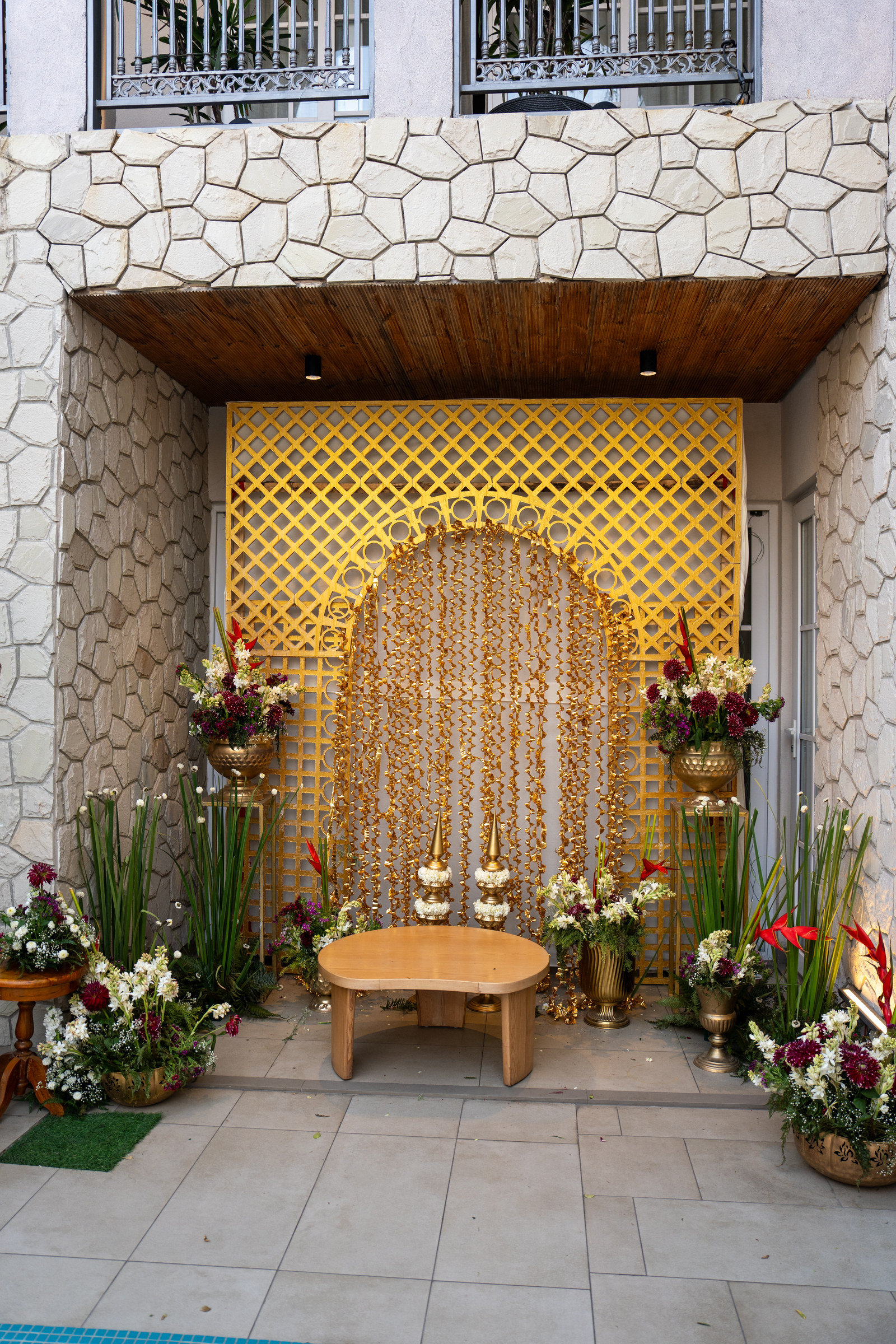
Use these real-wedding references to discuss the atmosphere, details and moments you want with your family and suppliers.
Common questions
An intimate morning ceremony. The bride’s mama (maternal uncle) places the choora, 21 red and white bangles, onto her wrists, then attaches the kaleere (hanging gold ornaments). The bride covers her hands and doesn’t see the choora until the wedding ceremony itself. Before the mama slides the bangles on, the choora is passed around so every relative present touches it and adds a blessing, then it is dipped in a milk-and-water (or lassi) mixture. The kaleere are traditionally tied by the bride’s friends, and at the end milk is offered to the uncles and aunts to drink.
Closest family only: bride’s parents, mama-mami, siblings, grandparents.
Typically 15–40 people. 2–3 hours, mid-morning or early evening the day before the wedding.
Get wrist measurements TWICE. Bangles can’t be resized easily Don’t let the bride see the choora before the Anand Karaj Sleep early. Day 4 starts in the dark Stack a backup pair of kaleere. They break easily
Bride’s side: This is traditionally the bride’s ceremony. Her maternal uncles present and place the choora, while close relatives help with the kaleere, gaana, blessings, and songs. Groom’s side: The groom’s family usually has no direct ritual role and often does not attend. Their parallel getting-ready tradition is Sehra Bandi and Ghodi Chadhi. Together: Keep the Choora intimate unless both families explicitly want otherwise. The couple normally reunites later for the wedding-day ceremonies.
Key items: 21 choora bangles (red + white), Kaleere set, Thaal with lassi and rose petals, Red chunni to cover the bride’s hands, Sanger booklet.
Ready to plan?
Every checklist on this page is pre-filled in our Excel template, with budget tracking, vendor guides, and a day-by-day timetable.
See the Kits